Travel Smart: The Banking Tricks Nobody Explains (And That Cost You Money)
Updated: May 9

How to Avoid Hidden Bank Fees While Traveling Abroad
Coming home from a trip should leave you with good memories.
And yet, for many travelers, the first thing they do after landing is open their banking app… only to discover unexpected charges, strange fees or extra money missing from their account.
If this has happened to you in London, Rome, New York, or Bangkok, it’s not bad luck.
And it doesn’t necessarily mean travel has become impossibly expensive.
The truth is simpler:most people were never taught how to use their money properly while traveling abroad.
That’s why today marks the beginning of a new weekly travel series focused on smarter spending, fewer hidden fees, and more peace of mind when using your card overseas.
Because traveling with excitement is great.
Traveling with confidence and control is even better.
The Silent Mistake That Costs Travelers the Most Money
One of the biggest travel money traps happens when we choose the “easy” option without realizing it’s also the most expensive.
A classic example appears when paying by card in another country.
The payment terminal asks:
“Would you like to pay in your home currency or in local currency?”
Most people instinctively choose their own currency because it feels safer and easier to understand.
But in reality, that choice is usually more expensive.
This system is called Dynamic Currency Conversion (DCC), and it often applies a much worse exchange rate than your bank normally would.
The difference may seem small at first, but after restaurants, hotels, transportation, and shopping, travelers can easily lose dozens of extra dollars or euros during a single trip.
Tourist ATMs: The Hidden Money Trap
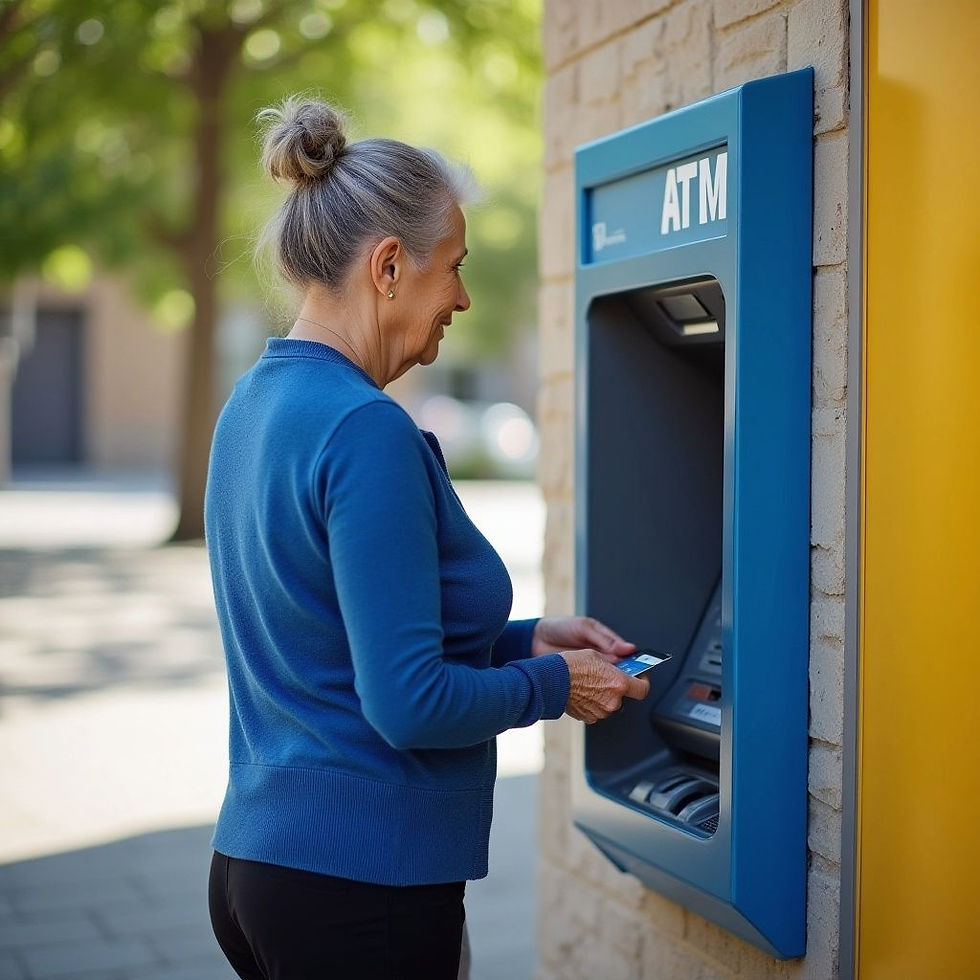
Another common problem is withdrawing cash from ATMs in airports or tourist areas.
Many travelers don’t realize that some private ATMs charge
high withdrawal fees,
terrible exchange rates,
and additional hidden surcharges.
Companies like Euronet have developed a bad reputation among experienced travelers for exactly this reason.
A simple rule usually works well
If the ATM looks extremely convenient, it’s probably more expensive.
Especially in:
airports,
busy tourist zones,
train stations,
or hotel districts.
Three Simple Tips to Save Money While Traveling
These three habits alone can make a noticeable difference on your next trip
1. Always choose local currency when paying
Even if seeing the amount in your own currency feels safer, it’s usually more expensive.
2. Avoid tourist-area ATMs
Use ATMs from established local banks whenever possible and avoid independent machines in airports or crowded tourist streets.
3. Check your card’s real international fees
Many traditional banks still charge:
foreign transaction fees,
currency conversion fees,
ATM withdrawal fees,
or sometimes all three together.
And most people only discover this after returning home.
Are Modern Travel Cards Actually Worth It?
In recent years, digital banks and travel-focused cards like, have changed the way many people manage money abroad.
At first, they can sound confusing:
Are they safe?
Can they be trusted?
What happens without a physical branch?
But more and more travelers are switching to them for one simple reason they often provide better exchange rates, fewer hidden fees, and much more transparency than traditional banks.
They’re not perfect, and they’re not magic solutions.
But they can make traveling financially much less stressful.
In upcoming articles, we’ll look at which options are genuinely useful and which are mostly marketing.
The Financial Fine Print Nobody Understands
Interbank exchange rates.
Foreign transaction fees.Currency conversion margins.
International withdrawal limits.
Banks use a lot of technical language to describe something that should actually be very simple:how much extra money they are charging you.
One goal of this series is to translate all of that financial jargon into plain English.
No confusing terminology.
No unnecessary complexity.
And no finance degree required.
Why I Decided to Start This Series
Because our savings matter.
And because nobody should lose money simply for not understanding how payments work abroad.
You don’t need to become a financial expert to travel smarter.
In many cases, avoiding a few common mistakes is enough.
This series isn’t about obsessing over every dollar during your trip.
It’s about gaining peace of mind.
FAQ
Is it better to pay in local currency when traveling?
Yes. Choosing local currency usually gives you a better exchange rate and avoids Dynamic Currency Conversion fees.
Do banks charge extra fees abroad?
Many banks charge foreign transaction fees, ATM withdrawal fees, or currency conversion fees when traveling internationally.
Are travel cards like Revolut or Wise safe?
Yes, they are widely used by travelers and often provide better exchange rates than traditional banks.
Next Wednesday: The Invisible Fee You’ve Probably Already Paid
In the next article, we’ll break down one of the most common and least understood travel banking charges:hidden international payment fees.
We’ll look at:
how to spot them,
when they appear,
and how to avoid them permanently.
Because travel memories should fill your camera roll not your bank statement with unpleasant surprises.
If you think this might help someone, feel free to share it.


Comments