The card terminal trap: how to avoid paying more when using your card abroad
Updated: Apr 13

When you pay by card abroad, there’s a key moment that decides whether you pay the right amount… or quite a bit more.
It happens when the card terminal asks:
“Would you like to pay in your home currency or in the local currency?”
Choosing your home currency feels logical. You see the amount in familiar terms and think you’re staying in control.
But that choice often costs you money.
What’s really happening
When you accept payment in your home currency, the terminal applies something called Dynamic Currency Conversion (DCC).
That means:
The shop or terminal provider does the conversion.
They use a worse exchange rate than your bank.
The “fee” is hidden inside that inflated rate.
You won’t see a separate charge. You’ll just pay more.
In practice, paying by card abroad using DCC usually costs 5% to 10% extra. Sometimes even more.
A simple example
You buy something for $100:
If you pay in dollars: Your bank converts it and you end up paying about €94 (or the equivalent in your currency).
If you choose to pay in your home currency at the terminal: You could pay €110–€115.
That difference is money lost just by pressing the wrong button.
The basic rule
When you’re abroad, always pay in the local currency.
🇺🇸 United States → dollars
🇬🇧 United Kingdom → pounds
🇯🇵 Japan → yen
Let your bank handle the conversion. It’s almost always cheaper.
When they rush you
This works because:
They ask quickly.
There’s a queue behind you.
Sometimes the cashier says, "It’s better in your currency."
It isn’t. They earn a commission on that conversion.
All you need to say is:
“I’d like to pay in the local currency, please.”
✅ Quick summary
Reject payment in your home currency when abroad.
Always choose the local currency.
Take a second to read the screen.
If they won’t allow it, pay somewhere else.
A few seconds can save you a surprising amount of money.
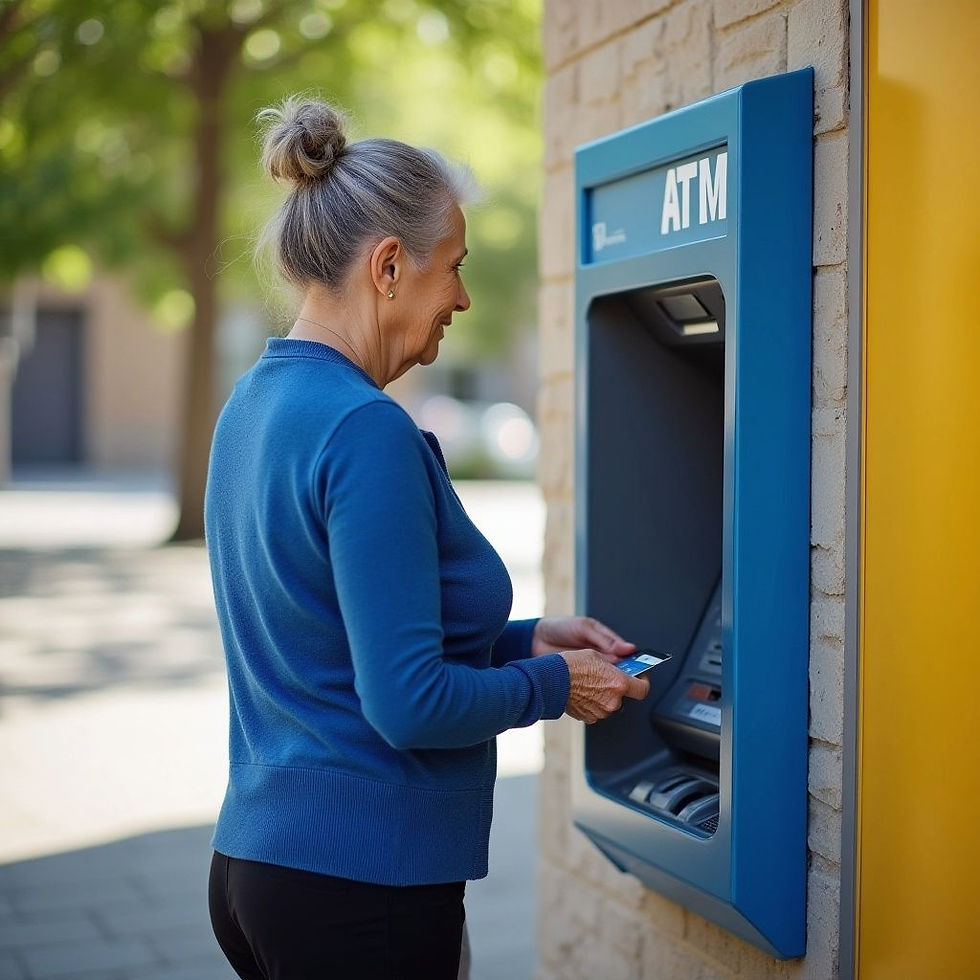
🏧 Next week
The ATM maze: how to withdraw cash without paying unnecessary fees
Because that’s another place where small charges quietly add up. Don't miss it!
If you think this might help someone, feel free to share it.


Comments